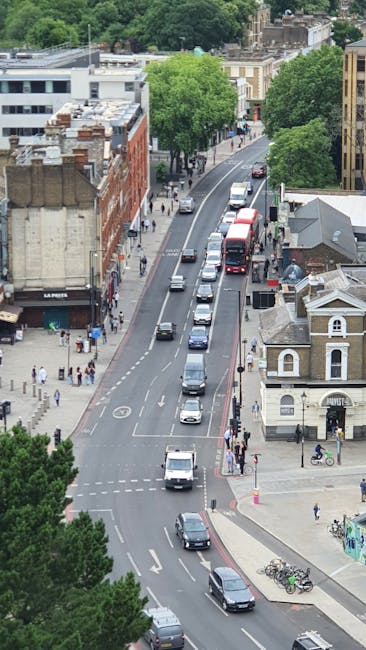
Local removals guide London Road Morden narrow access tips
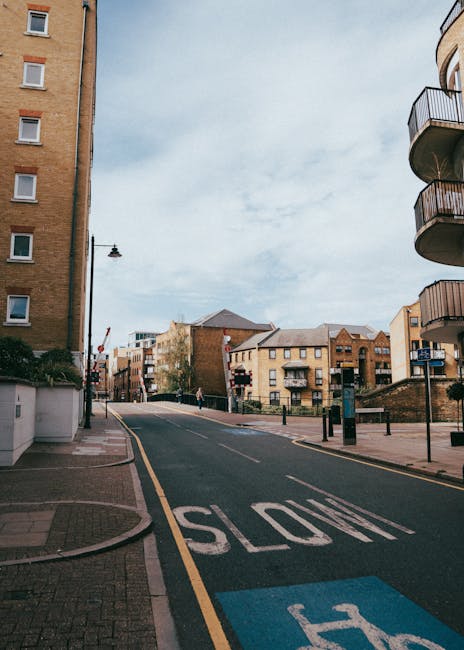
If you are planning a move on or around London Road in Morden, the tricky bit is often not the lifting. It is the access. Narrow streets, parked cars, awkward turns, shared driveways, tight front gardens, and the usual last-minute surprises can turn a simple local move into a slow, stressful morning. This Local removals guide London Road Morden narrow access tips article is here to help you think ahead, avoid the common snags, and make the whole day feel calmer from the first box to the final doorstep.
Truth be told, most moving problems in built-up parts of Morden are solved before the van even arrives. A bit of planning goes a long way. You will find practical advice here on assessing access, choosing the right vehicle, protecting your furniture, and handling parking, timing, and neighbour-friendly logistics without turning the day into a small drama.
And yes, some moves really do need a little more thought than "turn up and load."
- Why this matters on London Road
- How narrow-access removals work
- Main benefits of planning ahead
- Who should use this guide
- Step-by-step moving guidance
- Practical expert tips
- Mistakes to avoid
- Tools and resources
- Compliance and best practice
- Vehicle and method comparison
- Real-world example
- Checklist
- Conclusion
- Frequently asked questions
Why Local removals guide London Road Morden narrow access tips Matters
Narrow access changes everything in a move. It affects where the van can stop, how far items must be carried, whether extra labour is needed, and how long the job takes. On a road like London Road in Morden, those details can matter more than the size of the property itself. A two-bed flat with easy loading can be quicker than a one-bed place with a tight alley, stairs, and no sensible parking.
Why does that matter to you? Because removals are usually priced and planned around time, distance, and complexity. If access is tight and nobody mentions it early, the move can become rushed or unexpectedly expensive. Nobody wants that awkward moment where the crew arrives, looks at the entrance, and says, in that calm professional voice, "Right... we may need a plan B."
Good access planning also protects your belongings. Corners are tight, doorways can bite into sofa arms, and awkward carrying routes increase the risk of knocks, scrapes, and tired hands losing patience by 2pm. A proper local removals plan reduces all that. It also makes life easier for neighbours, pedestrians, and the people parking behind your van who are already on a tight schedule themselves.
In local moving work, small improvements have a big impact: a reserved space, a shorter carry route, better packing, a smaller van, or a second person on the job can make the day feel much smoother. The point is not to overcomplicate things. It is to remove the surprises.
How Local removals guide London Road Morden narrow access tips Works
The practical side of a narrow-access move starts with a realistic look at the property, the road, and the route between the van and the front door. Think of it as a quick access audit. You are checking the size of the vehicle, the width of gates and doors, the height of any overhanging branches or low walls, the slope of the pavement, and whether there is a sensible place to stand the van without blocking the road.
In simple terms, the process usually works like this:
- You describe the property and the access as clearly as you can.
- The mover decides whether a van, a smaller vehicle, or a man and van setup makes sense.
- Parking, carrying distance, and loading order are planned in advance.
- The team arrives with the right tools, protectors, and packing materials.
- Items are moved in a controlled order, usually with the heaviest and most awkward pieces handled first.
On tighter roads, the vehicle choice matters a lot. A large removal truck may be ideal for volume, but if the turning circle is awkward or the kerbside space is limited, a smaller man with van option can sometimes be the smarter, less stressful choice. That does not mean "small" is always best. It means the access should lead the decision, not the other way around.
Another important part is load sequencing. If the front room contains your largest items and the hallway is narrow, those items need to come out before the van is overpacked or the crew becomes boxed in. This is the bit where a bit of thinking saves a lot of shuffling later. Nobody enjoys moving a wardrobe three times. Well, almost nobody.
Key Benefits and Practical Advantages
When access is planned properly, the benefits are immediate and very visible. The move tends to feel quicker, calmer, and more controlled. Here are the main advantages local residents usually notice.
- Less stress on moving day: Everyone knows where to park, what comes out first, and how the route will work.
- Lower risk of damage: Fewer awkward turns and fewer last-minute manoeuvres mean less chance of scrapes or dents.
- Better time management: Narrow-access moves can take longer than expected, so clear planning helps avoid delays.
- More accurate quoting: When movers understand the access properly, there is less chance of surprise costs or unrealistic timings.
- Safer lifting: Shorter, clearer carry routes reduce the strain on backs, shoulders, and hands.
- Less disruption to the street: A planned approach makes it easier to keep pavements, entrances, and traffic flow manageable.
One small but useful benefit is confidence. That sounds soft, maybe, but it matters. If you have already measured the entrance, checked the parking, and chosen the right vehicle, you stop second-guessing everything. You can focus on the move itself instead of staring at the road hoping a miracle gap appears.
For many local customers, that confidence is the real payoff.
Who This Is For and When It Makes Sense
This guide is useful for a wide range of people, especially if your move involves a tight street, limited parking, stairs, or a property that is not easy to load from. It is particularly relevant for:
- flat moves with narrow hallways or stairwells
- terraced houses with limited front access
- end-of-tenancy moves where timing is tight
- students moving with boxes and a few key items
- small office or commercial moves in busy local streets
- single-item collections that still need careful handling
- families moving bulky furniture from a difficult frontage
If you live near London Road and your property has a narrow entrance, a shared drive, or awkward parking, this is worth reading even if the move seems small. In fact, small moves are often where people underestimate the hassle. A single sofa, bed, or wardrobe can be more awkward than ten tidy boxes if the access is poor.
It also makes sense if you are comparing move types. For example, a full removal service may suit a larger household, while a removals service or a smaller local setup might be better for a modest flat move. The key is matching the service to the access, not just the item count.
Step-by-Step Guidance
Here is a practical way to plan a narrow-access move without overthinking it. Keep it simple, but be thorough.
1. Walk the route from front door to van space
Look at the full carrying path. Check for steps, tight turns, railings, low walls, bins, flowerpots, and door furniture that may snag items. If possible, measure the narrowest point. That one small measurement can save a lot of guesswork.
2. Confirm the vehicle choice early
If a big truck would struggle to get close enough, ask whether a smaller van or split-load approach is better. A smaller vehicle can be easier to place on a narrow street and may reduce carry distance. For some jobs, a removal van is the sweet spot between capacity and access.
3. Sort parking before moving day
Kerb space is often the difference between a smooth lift and a faffy one. If parking is tight, agree in advance where the van should stand. Do not leave this to chance. The "we'll just find somewhere" plan sounds relaxed until everyone is circling the street at 8:15am.
4. Pack by access difficulty, not just room
Items that are hardest to carry should be packed with extra care and loaded first if they are needed early. Flat-pack pieces, mirrors, TVs, and framed items need sensible wrapping. Heavier boxes should be kept manageable, especially if there are stairs or a long carry.
5. Clear the entrance before the team arrives
Move shoes, bins, pet items, children's bikes, and loose hallway clutter out of the way. If the route is clearer, the job is safer and faster. It sounds obvious, but little things pile up fast. One lamp stand, two umbrellas, a rogue recycling bag... and suddenly nobody has space to turn.
6. Keep a final essentials bag separate
Documents, chargers, medicine, kettle supplies, keys, and a change of clothes should stay with you. On narrow-access moves, it is much easier to keep the urgent bits separate than to dig through stacked boxes later.
7. Agree who manages what on the day
One person should guide the route, another should handle last-minute decisions, and someone should keep an eye on fragile items and doorways. Too many voices at once can slow everything down. One calm point of contact is usually best.
8. Recheck access if conditions change
If there is roadworks, road furniture, a delivery van, or unexpected parking pressure on the day, reassess rather than forcing the original plan. This is where flexibility matters. The move should adapt to the street, not pretend the street will adapt to the move.
Expert Tips for Better Results
After enough local moves, a few practical patterns start to stand out. These are the kind of details that often make the difference between "fine" and "much easier than expected."
- Use furniture covers and blankets generously: Narrow access means more contact with walls, door frames, and corners. Protection is not optional.
- Measure awkward items twice: Sofas, mattresses, wardrobes, and appliances often look smaller in the room than they do at the doorway.
- Take the longest items out first: If there is a long hallway or narrow stair bend, the biggest item can set the tone for the whole move.
- Keep a clear staging area: Even a small patch of pavement or hall space can help keep the load organised.
- Label boxes by room and priority: The crew can place them faster, and you will settle in quicker later.
- Book enough time: Tight access takes time. Rushing usually creates more awkward lifting, not less.
One practical tip people often miss: if the front door opens into a cramped hall, prop it safely and make sure it does not swing back into the path. It sounds tiny. It is tiny. But tiny issues add up when the team is carrying a chest of drawers and trying not to clip the frame.
Also, if you are moving a few high-value or fragile items, separate them from the main load. A small box of valuables or documents should travel with you rather than disappearing into the back of the van for three hours. You know how these things go.
Common Mistakes to Avoid
Narrow-access removals are rarely ruined by one big mistake. It is usually a collection of small assumptions. Here are the ones most worth avoiding.
Assuming a standard van will fit
Not every road or turning space suits the same vehicle. A van that is perfect on paper may be awkward on the street. Always think in real space, not rough guesses.
Underestimating parking friction
Even if there is parking nearby, it may not be the kind that works for a quick load. If the van has to park too far away, the carry time increases and the risk of fatigue rises.
Leaving packing to the last minute
Packed badly, even simple items become a problem. Loose contents, poor labelling, and overfilled boxes are trouble waiting politely in the hallway.
Forgetting about neighbours and access shared by others
If access is shared, be considerate. Let people know if the route may be temporarily blocked. It saves awkward conversations later. Nobody likes moving day glare from the person trying to get a buggy past a wardrobe.
Ignoring weather and surface conditions
Rain, icy patches, or slippery steps change the risk level quickly. Wet surfaces make carrying slower and more cautious. On some mornings, a patch of drizzle is enough to make blankets and grip matter more than usual.
Not telling the mover about the awkward bits
There is a temptation to say "it should be fine." Better to mention the tight gate, steep step, or narrow bend early. Honest detail helps everyone plan properly. It is not fussing; it is being sensible.
Tools, Resources and Recommendations
You do not need a van full of specialist gear for a local move, but a few tools and materials make access problems much easier to handle.
| Tool or resource | Why it helps | Best use |
|---|---|---|
| Furniture blankets | Protects wood, paint, and upholstery from bumps | Sofas, tables, wardrobes, appliances |
| Straps and trolleys | Improves control on heavier items | Boxes, white goods, office items |
| Strong tape and labels | Keeps boxes secure and easy to identify | Every room in the move |
| Measuring tape | Helps check doors, stairs, and item sizes | Planning phase and final check |
| Boxes and wrapping materials | Reduces movement and damage during carrying | Fragile items, books, kitchen goods |
| Parking planning notes | Helps avoid confusion on the day | Narrow roads and restricted spaces |
If you are still gathering supplies, services such as packing and boxes can make preparation less chaotic. That is especially useful if you are juggling work, family life, and the move all at once. Which, let's face it, is most people.
For households with bulky items, it may also help to look at furniture removals so the awkward pieces are handled with the right equipment and care. And if you are moving a business or home contents with a tighter plan, home moves and flat removals can help you think about the job in the right terms.
Law, Compliance, Standards, or Best Practice
For local removals in Morden, the main compliance concerns are usually practical rather than dramatic. The big ones are safe lifting, sensible parking, clear access, and not causing avoidable obstruction. If a van needs to stop on the road or near restricted bays, the mover and customer should think carefully about local parking conditions and any permissions that may be needed. Exact rules can vary, so it is wise to check the situation in advance rather than assume.
Best practice also includes having appropriate insurance, handling goods safely, and keeping staff and property protected during the move. If you are choosing a provider, it is fair to ask about safety procedures, liability cover, and how they handle damage prevention. A proper mover should be comfortable explaining their approach in plain English.
It is also sensible to ask how fragile items, heavy items, and tight-access carries are managed. The answer should not be vague. You want to know what happens if the lift is narrow, the stairwell is awkward, or the van has to park further away than expected. Clear answers are a good sign.
For more detail on safety expectations and handling standards, it can help to review a provider's health and safety policy and insurance and safety approach before booking. If anything is unclear, ask. That is not being difficult. It is being careful, and that is exactly right when your belongings are involved.
Options, Methods, or Comparison Table
There is no single right method for every narrow-access move. The better choice depends on the property, the number of items, and how much room the vehicle has to work with. Here is a simple comparison.
| Method | Best for | Strengths | Limitations |
|---|---|---|---|
| Large removal truck | Higher-volume moves with decent road access | Handles more in one load, efficient for bigger jobs | May struggle on tight streets or awkward turning areas |
| Smaller van | Flat moves, single items, narrow access | Easier to park, manoeuvre, and load near the property | May require more than one trip for larger moves |
| Man and van | Local moves with flexible timing and moderate volume | Adaptable, practical, often ideal for SM4-style local work | Capacity depends on load size and vehicle type |
| Full removal team | Busy households, bulky furniture, multi-room moves | More hands, better for awkward lifting and time pressure | Usually more complex to schedule and may need better parking access |
For many local properties, the smartest route is not the biggest vehicle. It is the one that can actually get close enough without creating stress. If you are weighing up options, the broader man and van approach can be a very practical fit for narrow access and local journeys. If volume is higher, a more structured removal services option may suit better.
Case Study or Real-World Example
Here is a simple real-world style example. A couple moving from a first-floor flat near London Road had a narrow stairwell, a tight front path, and limited kerb space outside. The main challenge was not the amount of stuff; it was the access. A standard large van would have made loading awkward, and the long carry would have slowed the day down quite a bit.
Instead, the move was planned around a smaller vehicle, early arrival, and a clear route from the flat to the kerb. Furniture was wrapped before carrying, boxes were grouped by room, and the heaviest items were moved first while the route was still clear. The team checked the doorway width before bringing out the bed base, which sounds like common sense, but common sense is often the thing that saves the day.
The result? No frantic reshuffling, no blocked entrance, and no one ending the morning with that slightly shell-shocked "well, that took longer than expected" expression. The move still needed effort, of course. But the stress was lower because the access plan matched the reality of the street.
If you are moving out from a similar property, especially with a short turnaround, it can be worth checking same-day removals or, for smaller loads, same-day removals planning support. The important thing is to be honest about the access from the start.
Practical Checklist
Use this quick checklist before moving day. It is simple, but it catches the details people often forget.
- Measure the narrowest doorway, gate, hallway, or stair turn.
- Check whether the van can park close enough to reduce carrying distance.
- Confirm whether a smaller vehicle is safer for the street layout.
- Tell the mover about tight corners, steps, or steep paths.
- Pack fragile items separately and label them clearly.
- Clear the entrance, landing, and hallway before the crew arrives.
- Prepare blankets, tape, and straps if needed.
- Keep keys, documents, chargers, and essentials in one separate bag.
- Let neighbours know if access may be temporarily busy.
- Check weather and surface conditions on the day.
- Ask about insurance, loading method, and safety handling in advance.
Expert summary: The best narrow-access move is usually the one that looks slightly boring from the outside. Clear access, the right vehicle, sensible packing, and a realistic timetable. That is the sweet spot. Nothing glamorous, but very effective.
Conclusion
Local removals around London Road in Morden can be straightforward when the access is planned properly, and far more stressful when it is not. The difference usually comes down to a handful of decisions: choosing the right vehicle, checking parking, measuring tight spaces, and packing in a way that supports the route rather than fighting it.
If you take anything from this guide, let it be this: narrow access is not a problem to fear, it is a detail to plan for. Once you treat it that way, the move becomes much more manageable. A little preparation, a clear plan, and the right people on the day can make even a tight local move feel surprisingly smooth.
And honestly, that calm start and clean finish are worth a lot.
Get a free quote today and see how much you can save.
Frequently Asked Questions
How do I know if my London Road Morden property has narrow access?
Look at the full route from the property to where the van would stop. If there are tight gates, narrow hallways, steep steps, limited kerb space, or awkward turns, you likely have narrow access. A quick tape measure check helps a lot.
What is the best type of vehicle for a narrow street move?
That depends on the load and the street itself. A smaller van is often easier to park and manoeuvre, while a larger vehicle may suit bigger moves if access is still workable. The right answer is the one that fits the road, not just the volume.
Should I mention parking problems when booking removals?
Yes, absolutely. Parking details affect timing, loading distance, and sometimes vehicle choice. If you mention tight parking early, the mover can plan properly and avoid surprises on the day.
Do narrow-access moves cost more?
They can, because they often take longer and may require extra carrying, more careful handling, or a different vehicle. That said, the cost depends on the actual job, so clear information helps you get a more accurate quote.
Can a man and van service handle narrow access better than a large removals truck?
Often yes, especially for local or medium-sized moves. A smaller vehicle can usually get closer to the property and be easier to place on a tight road. It is not always the right answer, but it is often worth considering.
What should I pack first for a move with difficult access?
Start with items you do not need daily, then pack fragile or awkward items carefully and label them well. Keep essentials, documents, and anything personal with you. That way, you are not hunting for chargers and toiletries later.
How early should I plan a move with narrow access?
As early as you can, ideally before moving day is close. The more time you have to check measurements, parking, and route details, the easier it is to make sensible decisions and avoid rushing.
What if a large van cannot park near my property?
Then the mover may need to use a smaller van, a shuttle-style approach, or a different loading plan. This is exactly why access details matter. It is better to adjust the plan than force a bad fit.
Is it worth measuring doorways and stairs?
Yes. It takes only a few minutes and can prevent a lot of trouble, especially with sofas, beds, wardrobes, and appliances. The narrowest point is often the one that decides the whole move.
How do I protect furniture on a tight carry route?
Use blankets, wraps, and sensible lifting techniques. Corner protection is especially useful when there are tight turns or rough surfaces. Protecting the item before it leaves the room is easier than trying to fix damage later.
What should I ask a removal company about access?
Ask what vehicle they recommend, how they handle tight spaces, whether they need parking arranged, and what protection they use for fragile or bulky items. Clear answers are a good sign that they understand the job properly.
Can narrow access affect how long the move takes?
Yes, quite a lot. Longer carries, more careful manoeuvring, and parking issues can add time. That is why realistic planning matters. The move may still be smooth, just not quick in the way some people expect.
What is the biggest mistake people make with local removals?
Underestimating the access. People often focus on item count and forget the route. In practice, the route can be just as important as the furniture list. Sometimes more so, if we are being honest.
Should I use storage if my access is too difficult on moving day?
Storage can be useful if timing, access, or property readiness becomes complicated. It is not always needed, but it can give you breathing room if the move has to happen in stages. If that sounds relevant, storage may be worth considering as part of the plan.
Where can I get help with a local move in Morden?
It helps to choose a team that understands local streets, parking pressure, and tight-access loading. If you want to talk through the details, a local contact us page is a sensible place to start, and you can also review pricing and quotes before deciding.